
Leadership in a Changing World, Part 3 of 4.
Series: Leadership in a Changing World
Missed the earlier articles? Catch up here:
• Part 1: The Pace of Change
• Part 2: The Impact on Leaders
In today’s workplace, leadership agility is the difference between reacting and responding.
A senior leader I recently worked with said something that stopped me in my tracks:
“I used to know the strategy. But now everything’s changing so fast, I don’t even have time to think about strategy, let alone implement one. I’m in meetings all day, and by the end of the week, it feels like I’ve done everything except my actual job. I’m underwater and constantly putting out fires.”
This sense of frustration and overwhelm is something I hear from so many leaders.
And it’s completely understandable.
Because in today’s workplace, success isn’t just about knowing what to do.
It’s about how you show up in the midst of change.
It’s how you adapt, lead with presence, and respond instead of react.
That’s where agility comes in.
In this post, I’ll walk through three core practices that help leaders navigate change with more clarity and calm:
- Resilience
- Emotional Intelligence
- Agile Leadership Behaviors
Whether you’re supporting a team, managing new demands, or simply trying to stay steady in the chaos, these practices can help you lead from a more grounded place.
Let’s dive in.
From Stress to Strength: Building Resilience in a Rapidly Changing World

Resilience isn’t about pushing through without struggle.
It’s about the ability to pause, regroup, and move forward with clarity, even when things feel uncertain.
To lead with resilience:
- Embrace Change
Resilient leaders view change as part of growth. Instead of resisting disruption, they remain open and responsive. They understand that adaptability is essential for long-term success. - Lean on Your Support System
Resilience is reinforced through connection. Trusted peers, mentors, coaches, and even your team can offer grounding, perspective, and encouragement when things feel heavy. - Stay Anchored in the Bigger Picture
Day-to-day demands can easily pull you off course. Grounding yourself in your long-term vision helps you lead with intention, even when the path feels unclear.
Leading with Heart and Insight: Emotional Intelligence in Action
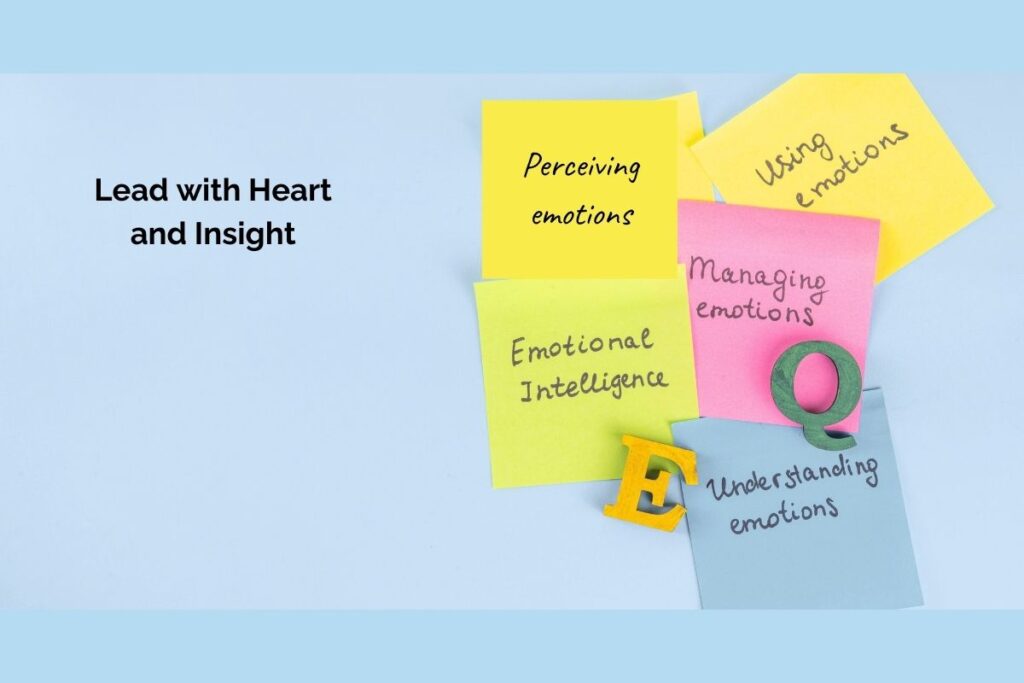
Leadership agility isn’t only about strategy.
It’s about how you show up in the moment. That’s where emotional intelligence comes in.
Here are a few key capacities to nurture:
- Self-Awareness
Agility begins with awareness. Leaders who understand how emotions influence their behaviour are better able to pause, reflect, and respond intentionally. - Self-Regulation
High-pressure moments are inevitable. Leaders who can stay grounded and choose how to respond bring a sense of calm and stability to their teams. - Empathy
Empathy builds trust, connection, and shared purpose. Understanding what your team is experiencing allows you to lead with compassion, not just direction. - Social Agility
Whether navigating conflict, inspiring action, or simply listening deeply, emotionally intelligent leaders adapt their communication with authenticity and care.
Agile Leadership in Practice: Modern Behaviours That Build Trust and Momentum
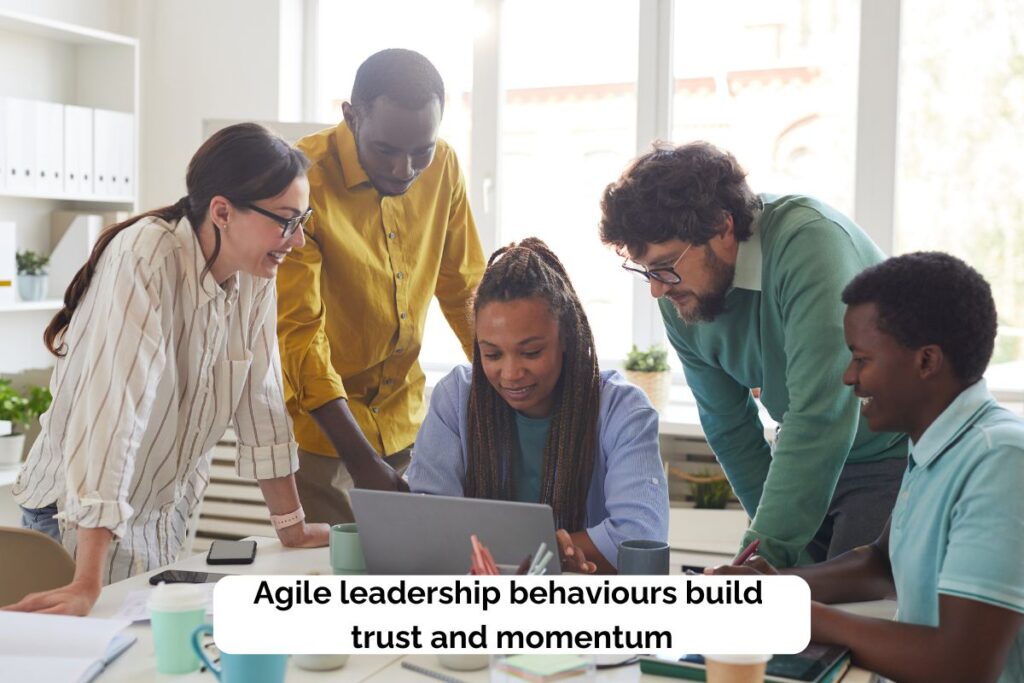
Leadership today isn’t about having all the answers, it’s about how you hold space for the questions, the decisions, and the people around you.
Agile leadership means:
- Collaboration over Control
The top-down model is outdated. Agile leaders foster a culture where everyone’s voice matters, and shared ownership drives innovation. - Making Decisions in Motion
Waiting for perfect clarity can stall progress. Leaders who gather what they need, make informed decisions, and adjust as they go are able to move forward with confidence and flexibility. - Authenticity as a Leadership Strength
Teams don’t need perfection, they need honesty. Leaders who show up as their full selves – transparent, real, and open – create psychological safety and deepen trust.
Leadership Agility Is the Edge You Need
The pace of change isn’t slowing down, and today’s leaders are being asked to do more than ever:
- Respond to evolving expectations
- Navigate constant shifts in technology and communication
- Guide their teams through uncertainty
- Stay grounded while managing their own workload
In the face of this complexity, agility has become just as important as strategy.
It starts with developing agility, not just in your decision-making, but in your mindset, emotional responses, and leadership behaviours.
By strengthening your resilience, deepening your emotional intelligence, and embracing agile leadership behaviours, you give yourself the capacity to lead with clarity, connection, and confidence, no matter what comes next.

What’s Next?
In the final part of this 4-part series, we’ll explore energy habits, practical tools that help leaders stay grounded, energized, and balanced in a fast-changing world.
Ready to Go Deeper?
📥 Want to receive weekly Leadership tips and tools? Click here to Sign up now
🎯 Or Take the Leadership Quiz to get your personalized guide to strengthening your leadership style.
Series: Leadership in a Changing World
Missed the earlier articles? Catch up here:
• Part 1: The Pace of Change
• Part 2: The Impact on Leaders